About Us
Home / About Us
We Are Here to Transform Lives
The Shelby County Mental Health Court Program responds to an urgent community need: overcrowded jails, limited access to behavioral health services, and repeated justice involvement among individuals whose primary challenges are untreated mental health and substance use disorders. Through collaboration, accountability, and evidence-based practices, we offer a humane and effective alternative to incarceration.
Our mission is to improve public safety and individual outcomes by addressing the underlying behavioral health needs of non-violent justice-involved individuals. We seek to reduce recidivism, promote long-term recovery, and connect participants to the treatment, services, and supports necessary for stable and productive lives.
By integrating the justice system with behavioral health care, housing resources, and employment support, the program fills a critical gap in services while ensuring accountability and judicial oversight.
Evidence-Based Approach
We use proven practices to support lasting recovery and stability.
Collaborative Partnership
Our success relies on collaboration among justice partners, treatment providers, and the community.

About Our Program
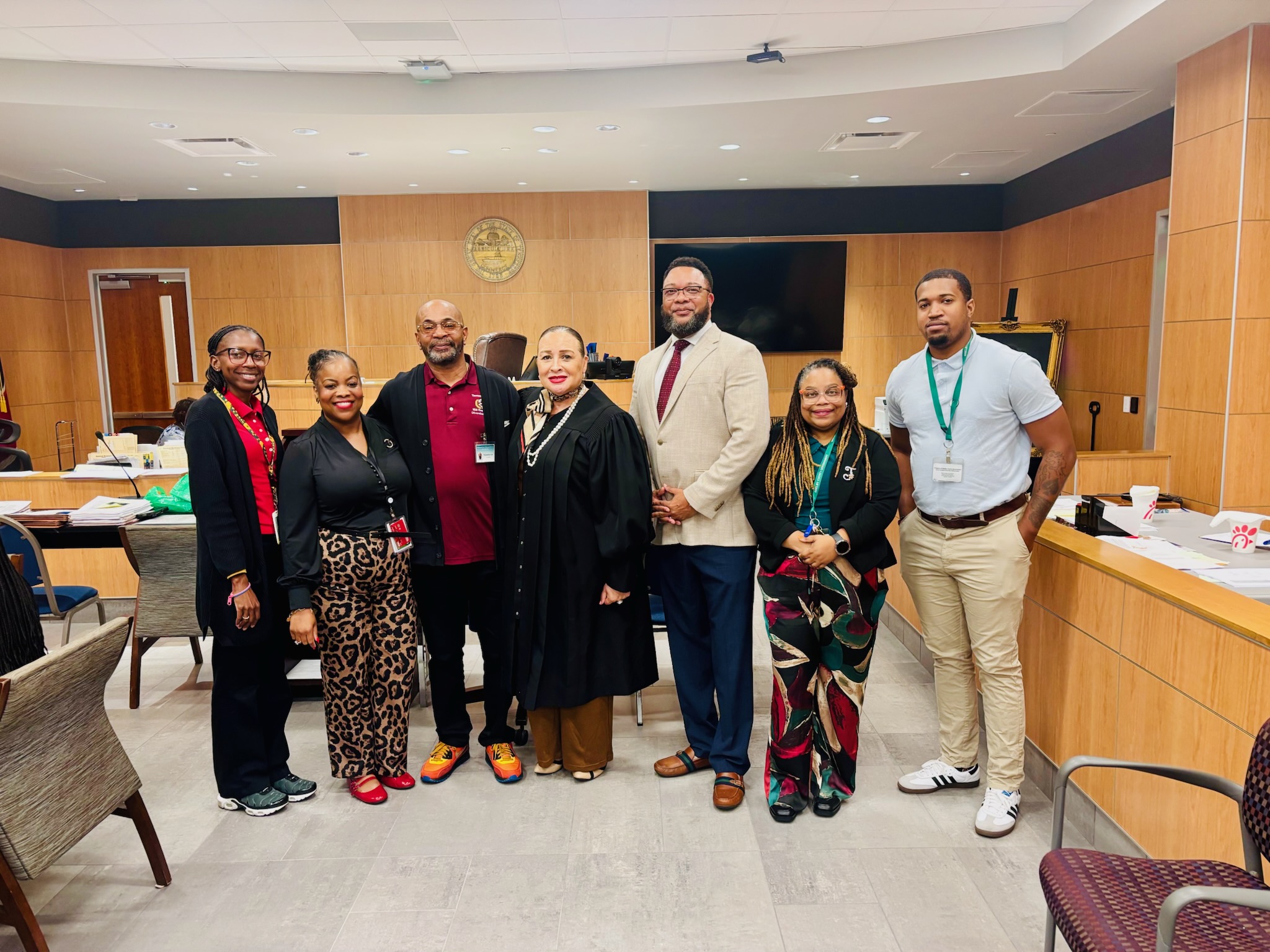
The Shelby County Mental Health Court Foundation supports the Mental Health Court in its mission to rehabilitate individuals with mental health conditions involved in the criminal justice system. The Foundation’s core objective is to reduce recidivism while promoting recovery capital—the resources and support systems individuals need to manage their mental health and reintegrate into society successfully
Foundation Goals
- Reduce Recidivism: Provide individuals with the tools, education, and community support to break the cycle of criminal justice involvement.
- Promote Recovery Capital: Facilitate access to mental health services, treatment programs, and resources that enable sustainable recovery.
- Resource Development: Secure funding for programs focused on treatment, rehabilitation, and community reintegration.
- Collaboration: Build partnerships with mental health professionals, legal authorities, and community organizations to strengthen program effectiveness.
- Sustainability: Ensure the long-term success of the MHC through strategic resource planning and community engagement.


Taking Care of Justice-Involved Individuals with Compassion
Traditional incarceration often fails to address underlying mental health and substance use issues, leading to high rates of recidivism, increased public safety risks, escalating taxpayer costs, and poor long-term outcomes for individuals and families. The Shelby County Mental Health Court Program was developed to address these challenges through a structured alternative that prioritizes treatment, supervision, and recovery.
Our Vision
- Reduce jail overcrowding and incarceration-related costs
- Improve public safety through evidence-based intervention
- Strengthen collaboration between justice and behavioral health systems
Our Mission
- Address underlying behavioral health needs of participants
- Reduce recidivism through treatment and accountability
- Promote long-term recovery and community reintegration